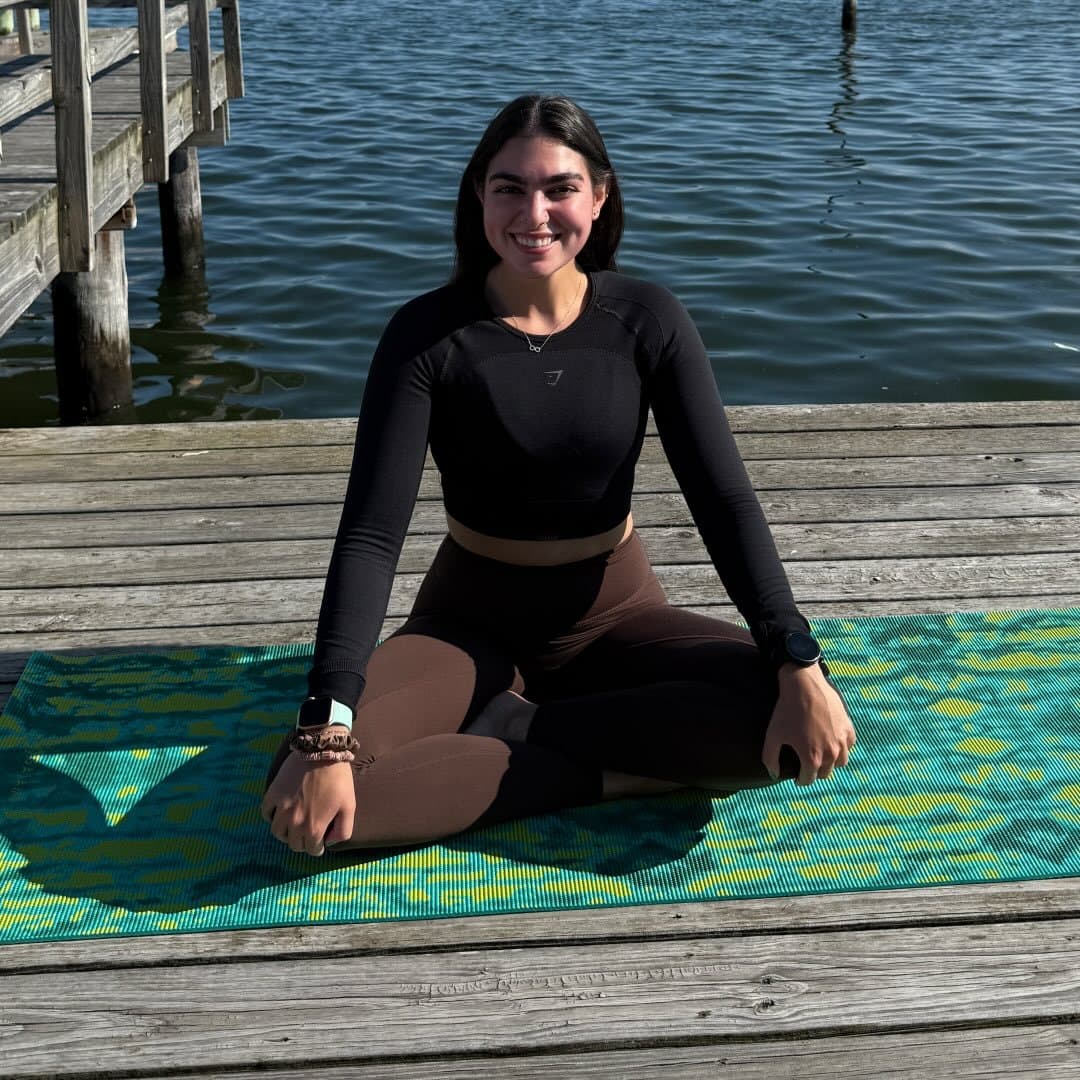
What tends to shift when yoga becomes a steady habit
Mobility where you were sticky, a calmer off switch for your nervous system, and breath you actually notice instead of taking for granted.
Yoga is not one thing. Depending on the style, you might get slow strength, deep stretches, or a meditative pace. The through line is usually attention: to sensation, to breath, to the fact that your body is allowed to change day to day.
Range of motion without forcing a prize
Classes that emphasize length and rotation can make hips, spine, and shoulders feel less locked, especially if your week is mostly sitting or repetitive motion.
The benefit is rarely “I touched my toes on day three.” It is more often fewer twinges when you roll out of bed or an easier walk up stairs because your tissues are used to moving in more directions.
Stress and the body’s volume knob
Slow breathing, longer exhales, and gentle movement send useful signals to your nervous system. You are not solving every problem on the mat, but you are practicing downshifting on purpose.
That skill matters when traffic, email, or family chaos hits. You have rehearsed what a softer breath feels like in your ribs and belly, not only in theory.
Body awareness that is practical, not mystical
Teachers ask you to notice weight in your hands, the quality of a stretch, or whether you are holding your jaw. That is training in interoception, which sounds fancy and simply means listening inward.
When you listen more, you catch fatigue earlier, you notice when you are compensating in a pose, and you get better at choosing a modification before irritation turns into injury.
Ready when you are
Book live Pilates and yoga with instructors on TryFlowly.